As the EU enters a new phase of carbon regulation, the cost structure of container shipping is undergoing a real change. From January 1, vessels calling at EU ports must cover 100% of their CO₂ emissions. Carbon is no longer partially counted or gradually phased in—it has become a fixed and unavoidable compliance cost.
Several container lines have already raised CO₂-related surcharges. Hapag-Lloyd, for example, expects its climate surcharge to increase by around 45% on average. This is not an isolated move, but the result of regulation, fuel prices, and operational efficiency interacting at the same time.
What the industry is beginning to see is that future cost pressure will not come only from carbon prices themselves, but from how efficiently ships operate under real, imperfect conditions.
From “Buying Carbon” to “Emitting Less”
When emissions are fully priced, every extra ton of fuel burned directly increases compliance cost.
As a result, fuel efficiency, waiting time, hull resistance, and speed management—once treated as technical details—now have direct financial impact.
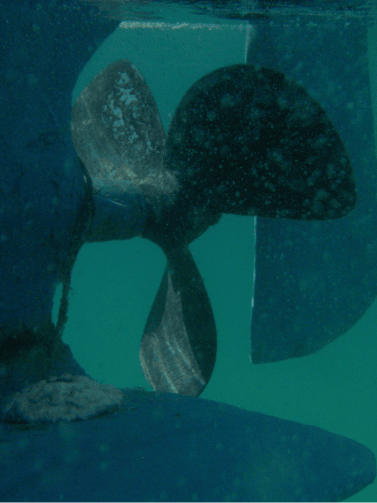
Hull condition is one of the most underestimated variables in this equation.
Light fouling develops fastest when vessels are slow, idle, or frequently at anchor—exactly the operating profile created by congestion and network instability. It is easy to overlook, but it steadily increases resistance. By the time fuel penalties appear clearly in data, extra emissions—and extra cost—have already been locked in.
Under a system where 100% of emissions must be covered, this kind of “quiet” efficiency loss becomes far more expensive.
Maintenance Is Shifting From Cycles to Operations
Traditional hull maintenance assumes fixed schedules, planned windows, and ideal working conditions. But today’s operating reality looks very different:
Port calls are irregular, waiting times are longer, water conditions are complex, and night or anchorage operations are increasingly common.
In this environment, the question is not only how well you clean—but whether you can clean when it actually matters.
If intervention cannot happen when fouling begins to affect performance, efficiency loss is allowed to continue. Under full carbon pricing, that delay is no longer just a technical issue—it becomes a financial one.
How Operating Reality Redefines Technical Value
Against this background, the industry is quietly changing how it judges technology:
– Can it operate in highly turbid or zero-visibility water?
– Can it work at anchor, at night, or in restricted port conditions?
– Can it support more frequent intervention without damaging coatings?
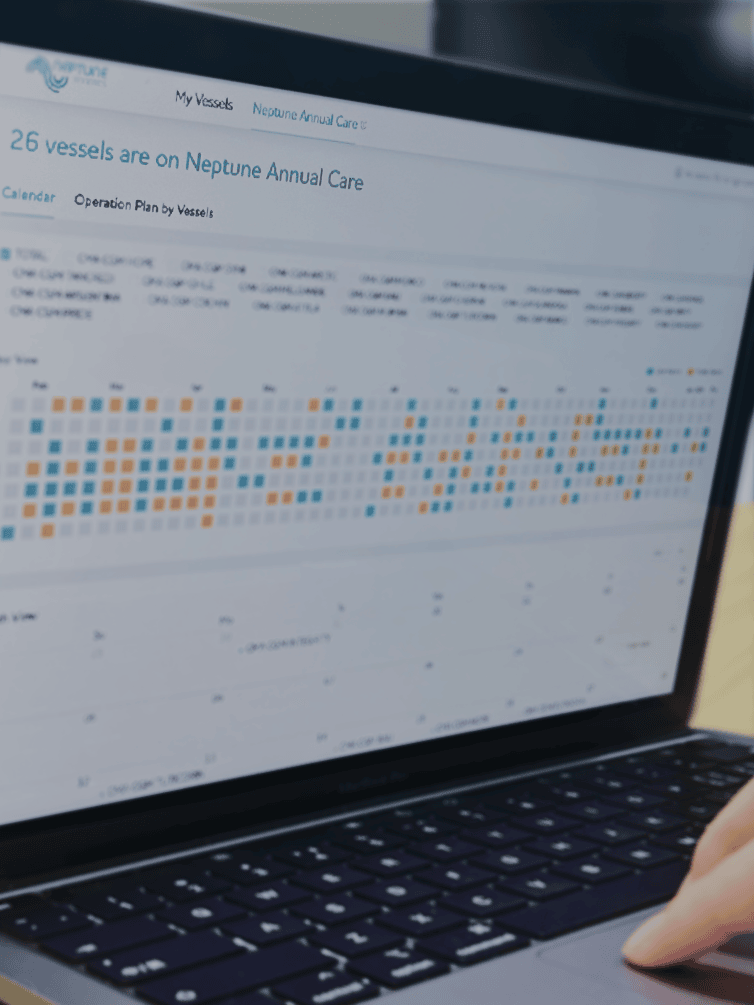
– Can hull condition be managed continuously, not only periodically?
These questions all point to the same core issue:
How to keep ships closer to their design efficiency, even when operating patterns are unstable.
Neptune Robotics’ systems are built around this reality.
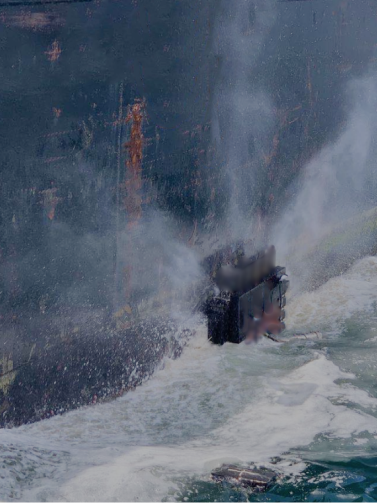
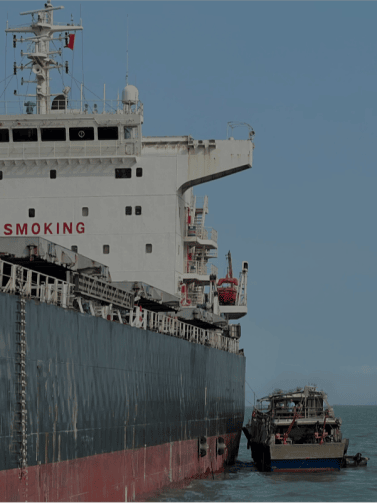
They are designed to operate in zero-visibility and highly turbid water, during night operations, at anchor, and in constrained port environments. They can also clean several meters above the waterline—areas that are increasingly exposed during long port stays but are often excluded from conventional in-water cleaning.
Their cavitation jet technology removes fouling while minimizing coating damage, making more frequent, low-impact intervention possible. This allows operators to manage hull condition proactively, rather than waiting for performance loss to become visible in fuel data.
Neptune’s ability to operate in zero visibility, at night or at anchor, to clean above the waterline, and to protect coatings through cavitation jet technology represents a leading level of capability in today’s industry. These technologies matter not because they are “advanced” in isolation, but because they directly match the unstable, constrained, and irregular operating patterns that now define container shipping.