1. A Regional Conflict with Global Shipping Consequences
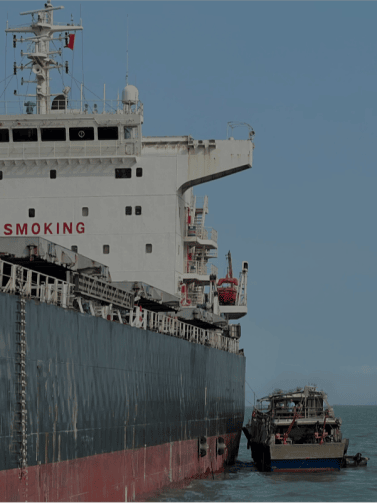
Two weeks after military strikes involving Israel, the United States, and Iran, the ripple effects are being felt far beyond the immediate conflict zone. In the Persian Gulf, hundreds of vessels have experienced delays, congestion, or operational uncertainty as security risks increase and maritime insurance premiums surge.
For global shipping, the impact extends well beyond the region itself. Energy markets have reacted sharply, bunker prices are rising, and freight markets are adjusting to new risk calculations. At the same time, vessels already in transit must navigate an environment where conditions can change rapidly — from routing advisories to port delays and security restrictions.
In such circumstances, uncertainty becomes one of the most significant operational challenges for shipowners and operators.
2. When Uncertainty Increases, Operational Readiness Matters More
Shipping networks are built around predictability — planned voyages, scheduled port calls, and carefully managed maintenance windows. When geopolitical events disrupt that rhythm, the margin for operational inefficiencies narrows quickly.
A vessel delayed at anchorage or rerouted mid-voyage may face extended operational cycles before reaching its next scheduled maintenance opportunity. During these periods, factors such as hull condition, fuel efficiency, and inspection readiness begin to carry greater weight in overall fleet performance.
Biofouling accumulation, for example, may seem manageable under normal trading conditions. But when voyages lengthen and bunker prices rise, even incremental increases in hydrodynamic resistance can translate into meaningful cost exposure for shipowners.
Maintaining vessel efficiency during uncertain operating cycles therefore becomes not just a technical concern, but a fleet management priority.
3. Maintaining Vessel Performance Without Interrupting Operations
As shipping companies adapt to a more unpredictable operating environment, attention is gradually shifting toward maintenance solutions that can be performed without disrupting vessel schedules.
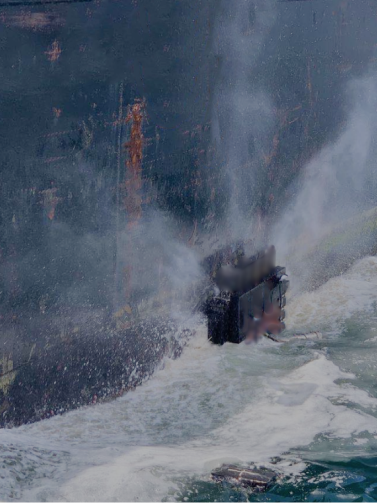
In-water robotic technologies are increasingly part of that conversation. By allowing hull inspection and cleaning to be conducted while vessels remain in service, these systems help operators maintain vessel performance even when traditional maintenance windows are difficult to secure.
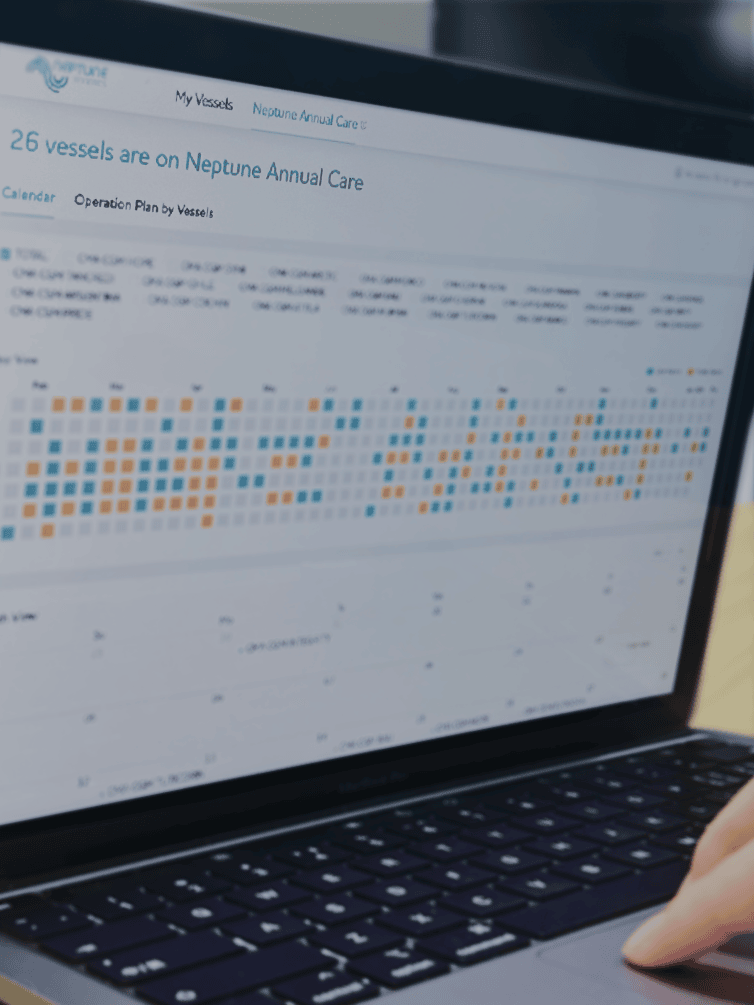
Neptune Robotics is among the companies working in this field, deploying underwater robotic systems capable of performing inspection and hull cleaning across ports and anchorages — including challenging environments with poor visibility or complex operating conditions.
In practice, this enables operators to monitor hull condition and maintain vessel performance without waiting for drydock availability or extended port stays.
A Reminder for the Industry
The events of the past two weeks highlight how quickly geopolitical developments can affect the foundations of global trade. While shipping has always operated in a complex risk environment, the ability to maintain operational stability during periods of disruption is becoming increasingly important.
Technologies that support vessel efficiency, inspection readiness, and flexible maintenance are therefore moving closer to the center of operational strategy — not as a reaction to any single event, but as part of a broader effort to strengthen the resilience of global shipping.