A Surge in Tankers Pushes the Canal Toward Its Limits
Traffic through the Panama Canal has accelerated sharply in 2026, with daily vessel transits reaching an average of 38 ships per day, according to BIMCO — close to the canal’s estimated maximum operating capacity of 36 to 40 daily crossings.
The increase has been driven primarily by tanker traffic, as US energy exports to Pacific markets continue rising. Over the past five weeks alone, tanker transits reportedly increased 16% year-over-year.
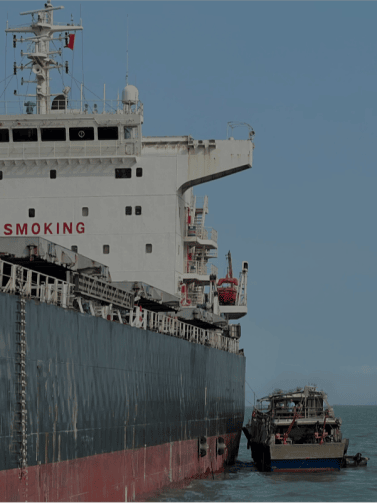
As demand for passage slots intensifies, auction prices for last-minute crossings have climbed significantly, while average waiting times have reached nearly 47 hours — approximately 50% higher than the same period last year.
At the same time, shipping companies are once again watching weather developments closely. BIMCO warned that potential El Niño conditions between May and July could reduce rainfall levels feeding Lake Gatun, the freshwater source critical to canal operations. During the last major El Niño event in 2023, daily transits temporarily dropped to only 22 vessels per day, forcing draft restrictions and widespread scheduling disruption.
For many operators, the question is no longer whether disruptions will happen — but how frequently.
Longer Waiting Times Quietly Increase Fuel Exposure
Operational disruptions rarely affect only schedules. They also affect vessel efficiency.
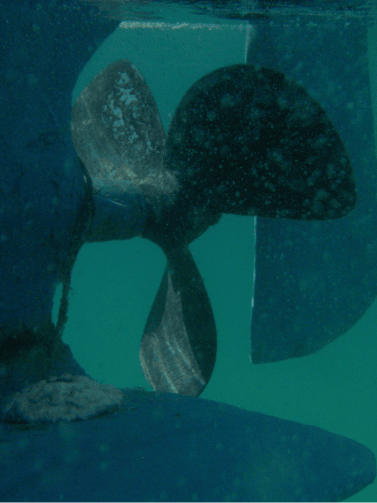
Extended anchorage periods in warm waters create ideal conditions for slime and barnacle growth, particularly around static sections of the hull. At the same time, rerouting decisions — whether via the Cape of Good Hope or Cape Horn — can significantly extend voyage duration and amplify the impact of hull resistance on fuel consumption.
In practice, even moderate biofouling becomes more commercially significant when vessels spend longer periods at sea or waiting outside congested ports.
For technical managers, this is creating a shift in maintenance thinking. Hull cleaning is increasingly viewed not only as periodic maintenance, but as part of operational cost control and voyage planning.
Maintaining a clean hull before delays accumulate may ultimately prove less expensive than operating with increasing resistance during prolonged disruptions.
Neptune Robotics: Flexible Hull Cleaning for Unpredictable Operations
Neptune Robotics provides robotic hull inspection and cleaning services designed for exactly these increasingly unpredictable operating conditions.
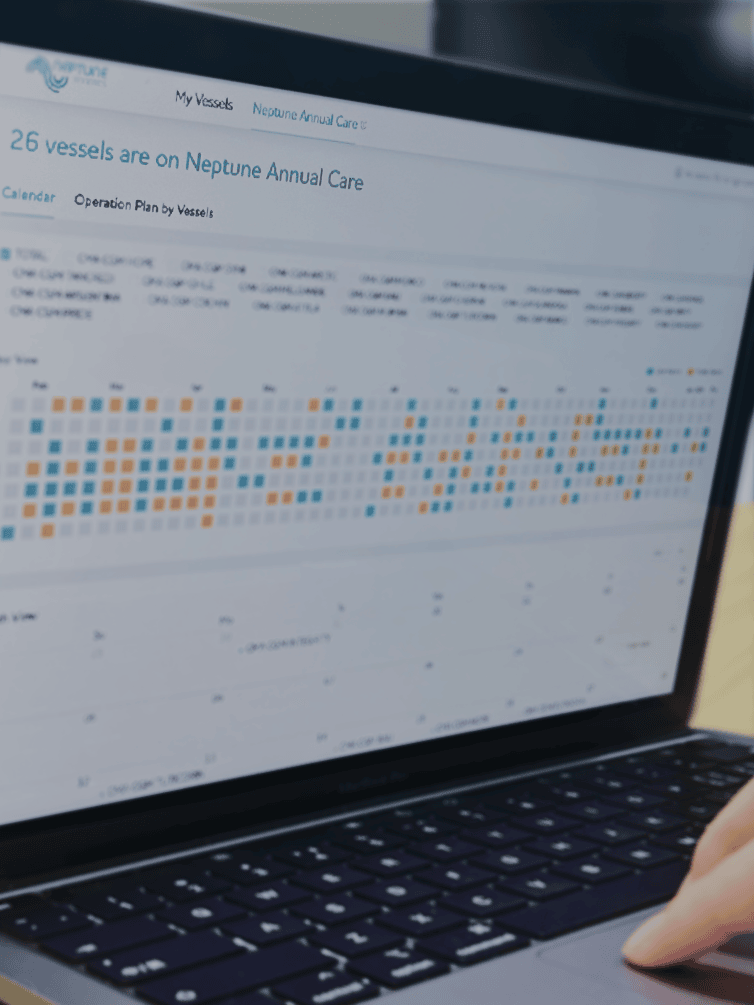
With operational coverage across 61 ports in China and Singapore, Neptune supports vessels trading along some of the world’s busiest shipping corridors, allowing fleets to arrange inspection and cleaning more flexibly without relying solely on drydock schedules.
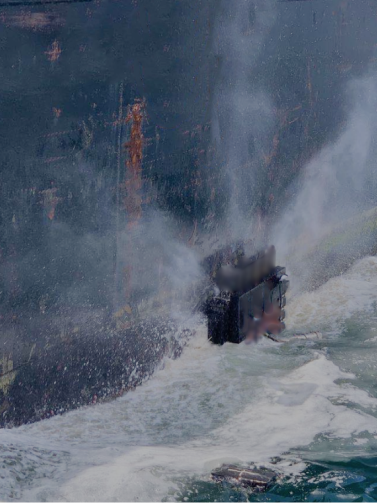
Its robotic systems are capable of cleaning both underwater and above-water hull sections, helping operators maintain full hull efficiency rather than focusing only below the waterline.
Equally important, Neptune’s cavitation water jet technology removes biofouling while minimizing coating damage — reducing the trade-off between cleaning effectiveness and long-term hull protection that many technical teams continue to evaluate carefully.
In an industry where waiting times, rerouting, and operational volatility are becoming more common, maintaining hull condition is no longer simply about cleanliness.
It is increasingly about preserving fuel efficiency, protecting schedules, and maintaining operational resilience under changing global conditions.