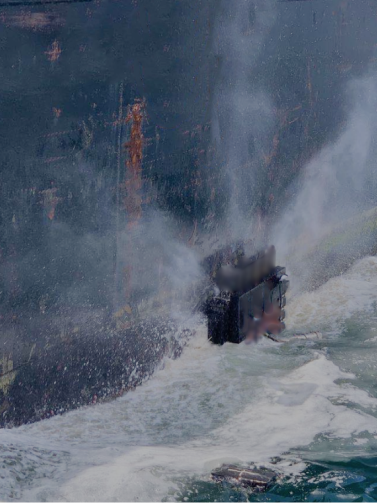
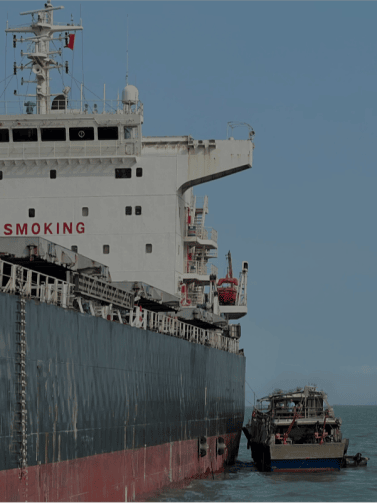
The phased reopening of the Strait of Hormuz is met with a massive operational bottleneck: catastrophic biofouling. Months of forced idling in the warm, stagnant waters of the Persian Gulf have turned static hulls into thriving marine ecosystems. With industry reports indicating up to 150,000 square feet of heavy barnacle and bivalve accumulation per supertanker, this is no longer a routine maintenance issue—it is a severe hydrodynamic crisis. For shipowners and charterers rushing to re-enter a high-stakes market, an uncleaned hull means an immediate, catastrophic drop in vessel performance before the voyage even begins.
The Hard Math: Fuel Escalation, Carbon Penalties, and Equipment Failures
Operating an idled vessel without a prior baseline hull restoration is an economically non-viable decision.
– The Daily Burn: According to IMO and GloFouling benchmarks, moderate barnacle growth forces a vessel to burn up to 36% more fuel just to maintain standard transit speeds, while a light layer can spike overall greenhouse gas emissions by 55%。Under the crushing compliance matrix of the IMO’s CII ratings and the EU ETS carbon pricing, these inefficiencies translate into five-to-six-figure financial penalties per voyage.
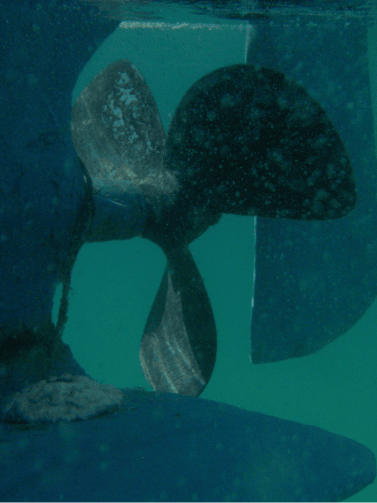
– The Operational Black Hole: Heavy fouling doesn’t stop at the hull; it chokes critical submerged assets. Crustaceans invading seawater cooling intakes can cause sudden engine cooling failure, while encrusted propellers and compromised echo-sounders pose direct navigational hazards. Compounding this, traditional commercial diving networks are facing an acute 60% fee surge and capacity backlogs, forcing your multi-million dollar assets into an extended, unprofitable waiting line.
The Neptune Solution: Coating-Safe Cavitation Technology — Secure Your Re-entry Matrix
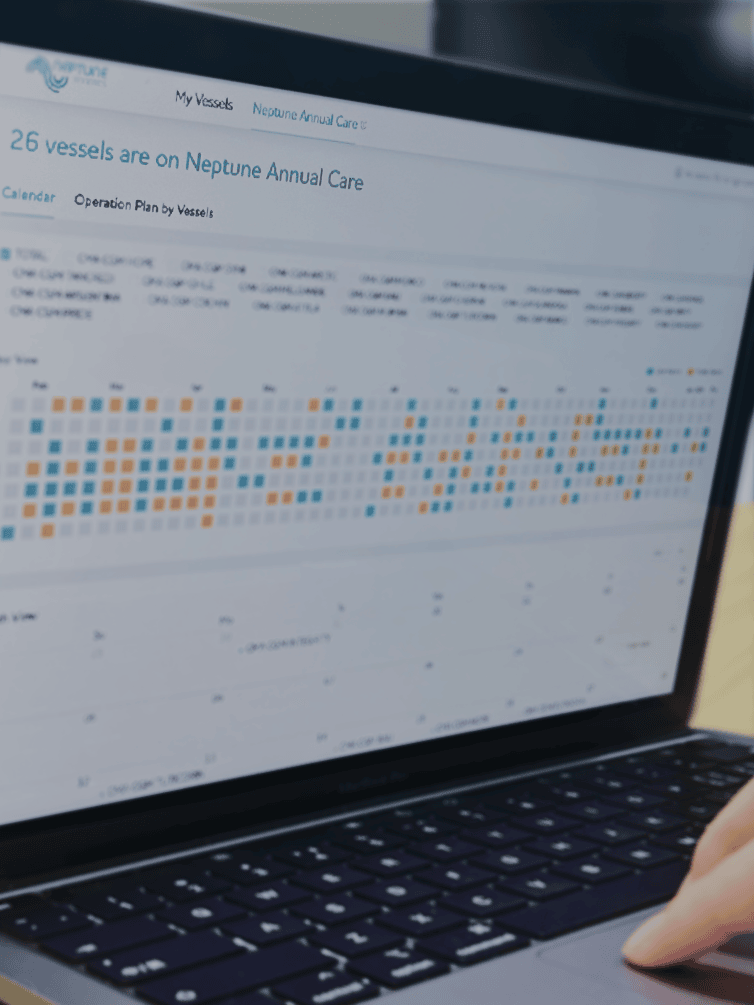
In a volatile market where fleet availability and margin protection define successful operators, waiting for dry-docking or turning to risky, abrasive manual scraping is an obsolete strategy. Neptune Robotics delivers a scalable, data-driven solution engineered for rapid fleet mobilization.
Our autonomous waterless robotic platforms utilize advanced cavitation jet technology, utilizing the implosion energy of microscopic bubbles to cleanly shear the tensile bond of barnacle cement. Unlike traditional high-pressure blasting or manual scrapers that micro-groove and strip your expensive anti-fouling coating—accelerating future fouling—Neptune guarantees maximum biocide preservation and zero paint abrasion. Compliant with SEEMP energy efficiency guidelines and operating independently of low water visibility or harsh weather, Neptune Robotics ensures your vessel returns to peak hydrodynamic efficiency and full regulatory alignment on schedule.