Severe drought conditions around the Panama Canal have led to reduced water levels, forcing authorities to impose strict vessel draft restrictions and significantly lower the daily number of transits. As a result, hundreds of vessels face extended anchorage delays while waiting for passage or rerouting around longer ocean tracks.
The Operational Impact on Shipowners:
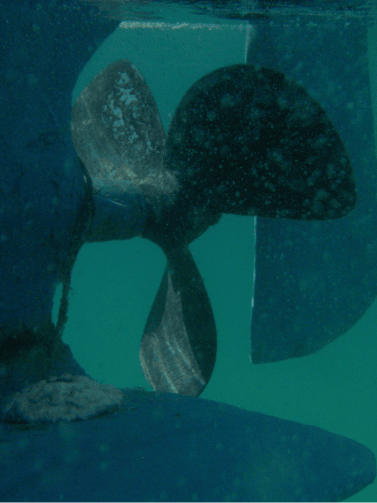
– Accelerated Static Biofouling: Extended anchorage in warm, shallow waiting zones turns static hulls into biofouling magnets, rapidly increasing shell and algae accumulation within days.
– Compounded Fuel Penalty for Rerouting: Vessels forced to alter routes around South America face thousands of extra nautical miles, where even minor biofouling causes exponential fuel cost surges and CII penalties.
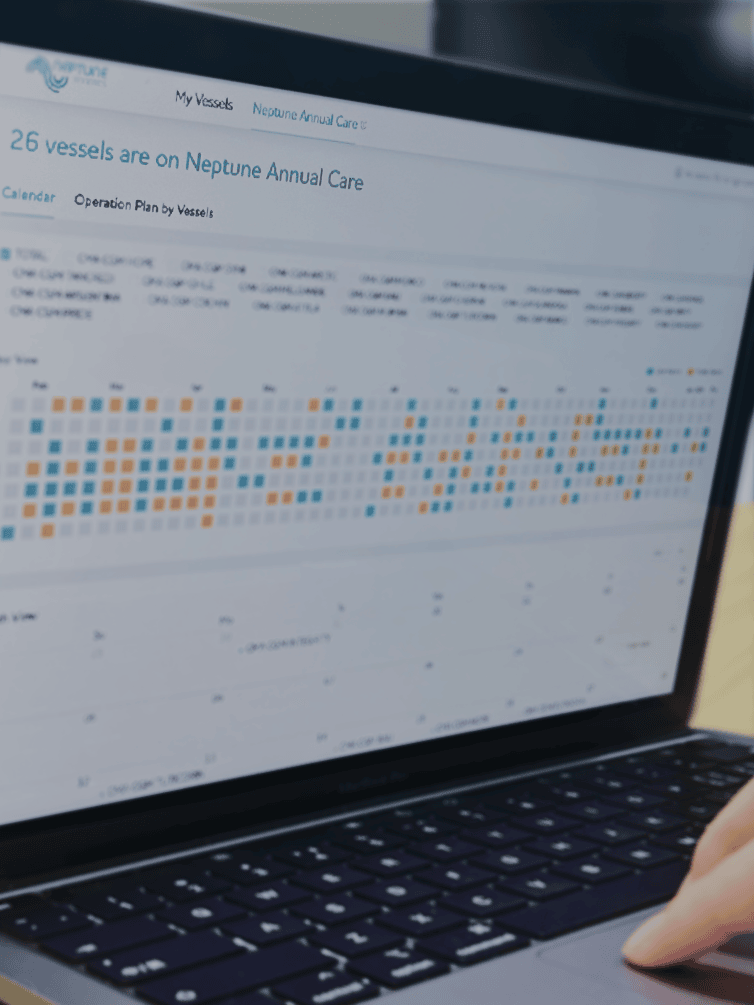
At Neptune Robotics, we turn bottleneck downtime into proactive fleet optimization:
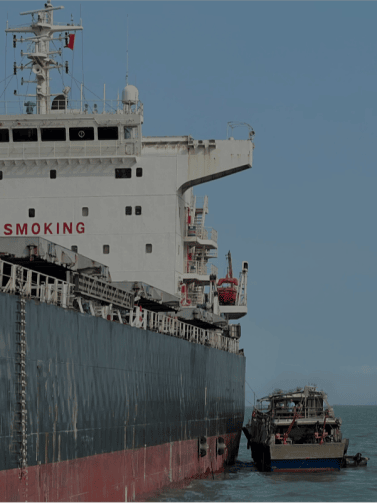
– Zero-Delay Operation During Cargo Loading: Clean hulls seamlessly alongside active cargo or bunkering operations before or after transit delays, with zero impact on port schedules.
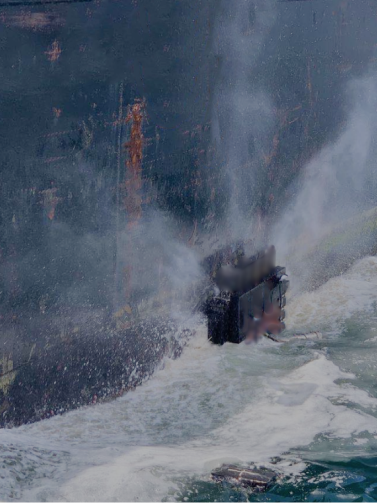
– All-Round Coverage with Zero Safety Risk: Autonomous robots perform full-coverage cleaning both above and below the waterline without risking crew safety.
– Maximum Paint Protection: Non-abrasive cavitation jets remove heavy biofouling while maximizing anti-fouling coating protection, ensuring peak hydrodynamic efficiency for the long voyage ahead.
When canal bottlenecks are unavoidable, maintaining a clean hull ensures your vessel doesn’t burn extra fuel while waiting or making up for lost transit time.