On 23 November 2026, Singapore’s benchmark price for very low sulphur fuel oil (VLSFO) rose US$12 per tonne from Friday, 20 November. For a vessel buying 500 tonnes, that price difference alone adds US$6,000 to the bill. Timing matters, too. On 18 November, bunker market specialist ENGINE reported that booking lead times for VLSFO in Singapore had stretched to around 15–17 days.

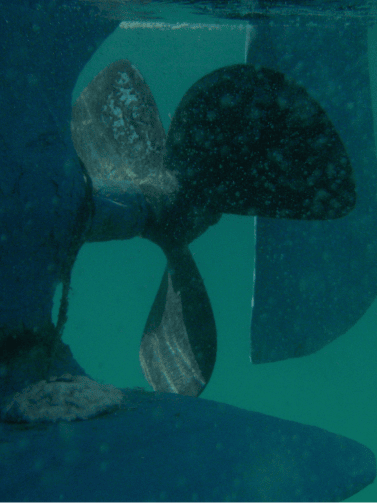
Once the bunkers are booked, there’s still something worth checking before departure. Slime and barnacles add friction as the hull moves through the water, so the engine needs more power to maintain speed. Over a long passage, even a small daily fuel penalty can add up. The practical question is whether there’s enough growth on your hull to justify cleaning during this call.
Neptune’s robotic inspection gives you a first look within 30 minutes. Open the Neptune App to see where growth has settled and how much of the hull it covers. You can weigh those images against the length of the next voyage and decide whether a local clean, a full clean or another inspection later makes sense.
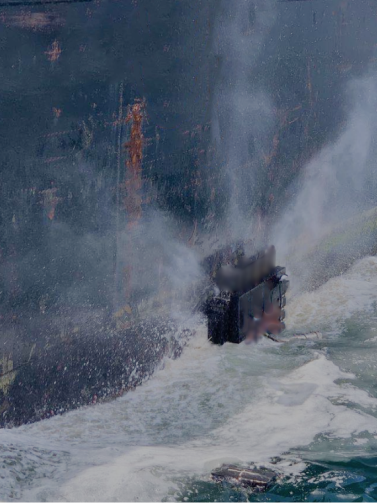
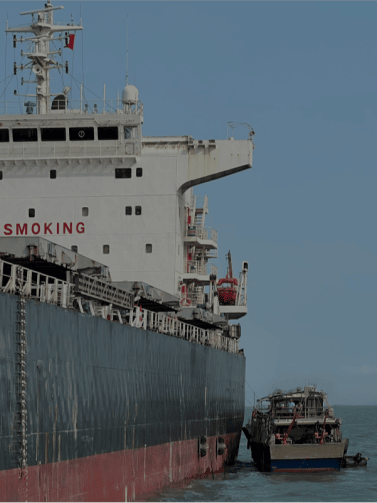
If you decide to go ahead, our robots can clean during scheduled cargo or bunkering operations where port conditions permit, with no extra vessel downtime. Non-abrasive cavitation jets remove marine growth while maximum paint protection, so the vessel leaves port with a cleaner hull and its paintwork protected.