U.S.–China Summit Brings Relief to Global Shipping
The global shipping community is welcoming positive signals following the recent U.S.–China summit held in South Korea on October 30. Officials from both sides described the talks between U.S. President Donald Trump and Chinese President Xi Jinping as constructive, with agreements reached on several key trade and economic issues.
Among the most impactful outcomes for the maritime industry was the mutual suspension of port-related fees and tariffs imposed after the USTR Section 301 investigation. The decision will remain in effect for one year while both parties continue dialogue on broader trade matters.
Reduced Port Costs Encourage Maintenance and Efficiency Improvements
For the shipping sector, this easing of trade tensions represents more than just a political milestone — it directly translates into lower operational costs and smoother port logistics across major trade routes connecting the U.S. and Asia.
The suspension of reciprocal port fees will especially benefit vessels calling at major Chinese ports such as Ningbo and Shanghai, where operators had previously faced additional costs linked to U.S.–China trade measures.
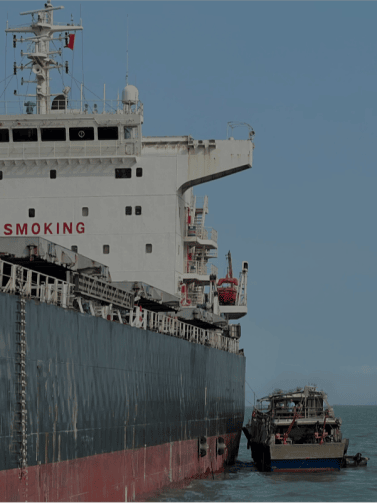
With these fees lifted, ship operators now have greater flexibility to conduct essential in-port operations, including inspections, hull cleaning, and other maintenance work during layovers. This shift is significant as modern fleet managers seek to optimize every hour at berth, reduce downtime, and enhance overall operational efficiency.
By lowering the cost barriers associated with in-port maintenance, the new policy encourages a more proactive approach to vessel performance management. Regular underwater cleaning, for instance, prevents biofouling buildup that increases drag, fuel consumption, and emissions — issues that directly affect both cost and carbon intensity across global fleets.
Trade Recovery Expected to Boost Vessel Traffic
Beyond immediate cost relief, the summit’s outcomes signal renewed momentum for global trade between the U.S. and China. Reports indicate that China will resume large-scale purchases of U.S. agricultural and energy products — including soybeans, sorghum, and oil and gas from Alaska.
This renewed exchange is expected to increase sailing frequency for dry bulk carriers, tankers, and container vessels operating along Pacific routes. Higher utilization rates naturally drive up demand for more frequent hull maintenance, particularly for vessels navigating high-fouling waters across East Asia.
With greater vessel activity anticipated at Chinese ports, maintaining hull cleanliness becomes increasingly critical to optimizing fuel efficiency, voyage speed, and overall fleet sustainability.
Neptune Robotics: Supporting Global Trade with Reliable Hull Maintenance Solutions
As trade activity intensifies, Neptune Robotics continues to ensure that fleets stay efficient and compliant — even in the most challenging marine environments.
– Expanding Rapidly Across 60+ Ports in China and Singapore, Neptune Robotics provides full regional coverage and fast response capabilities for global operators.
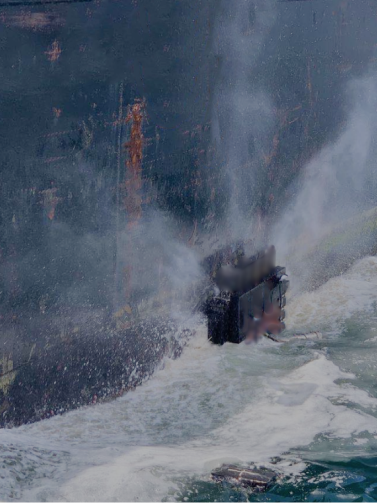
– With our new aerial cleaning innovation, our robots can now clean up to 10 meters above the waterline, enabling complete hull maintenance without drydocking.
– Operating 24/7 in 4.0-knot currents and zero-visibility muddy waters, Neptune’s systems guarantee consistent performance where traditional cleaning methods fall short.
Through continuous innovation and proven operational reliability, Neptune Robotics remains committed to helping shipowners and operators maintain cleaner, faster, and more efficient vessels — supporting a cleaner and more connected global shipping industry.