Europe’s three major import gateways — Antwerp, Hamburg, and Rotterdam — are once again facing “heavily disrupted operations.” Marine terminals and inland networks are constrained by limited buffer capacity, resulting in longer port stays, unpredictable schedules, and more idle time for vessels.
Beyond operational delays, this environment exposes a technical risk that often goes unnoticed: the accelerated onset of hull fouling.
Longer Waits, Slower Movements: The Quiet Acceleration of Biofouling
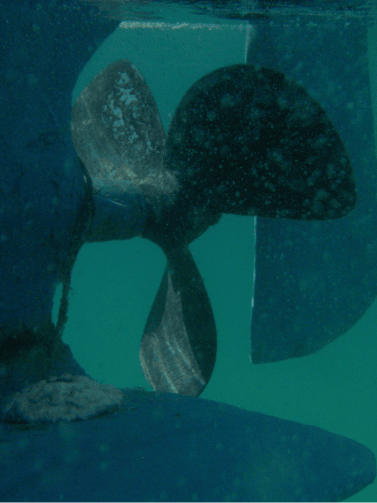
Although colder winter waters can slow the development of more complex marine organisms, they do not prevent the rapid formation of early-stage biofilm — the thin microbial layer that attaches quickly when vessels remain slow-moving or stationary.
This early film is the foundation for more persistent fouling. As temperatures rise in spring, biological activity increases, allowing these films to mature rapidly into thicker layers that raise drag, fuel consumption, and CO₂ emissions.
Idle time today is no longer a minor operational inconvenience; it is a direct performance risk.
Rethinking Hull Maintenance in an Unpredictable Port Landscape
Hull maintenance cycles were once structured around predictable seasons and stable trade routes. Today’s global network tells a different story:
– European congestion recurs in multiple waves.
– Asian hubs see periodic overflow during peak cycles.
– Longer repositioning voyages and volatile schedules are becoming common.
– Vessels spend more time at anchor or operating at low speed.
In this environment, triggers for biofouling are shifting from seasonal factors to operational realities. Hull cleaning is evolving from a “planned routine” to an “operations-driven requirement.”
Neptune Robotics: Stability in an Unstable Operating World
Neptune Robotics brings predictability to a shipping world defined by unpredictability.
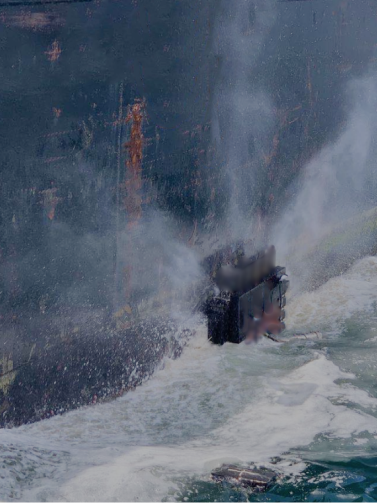
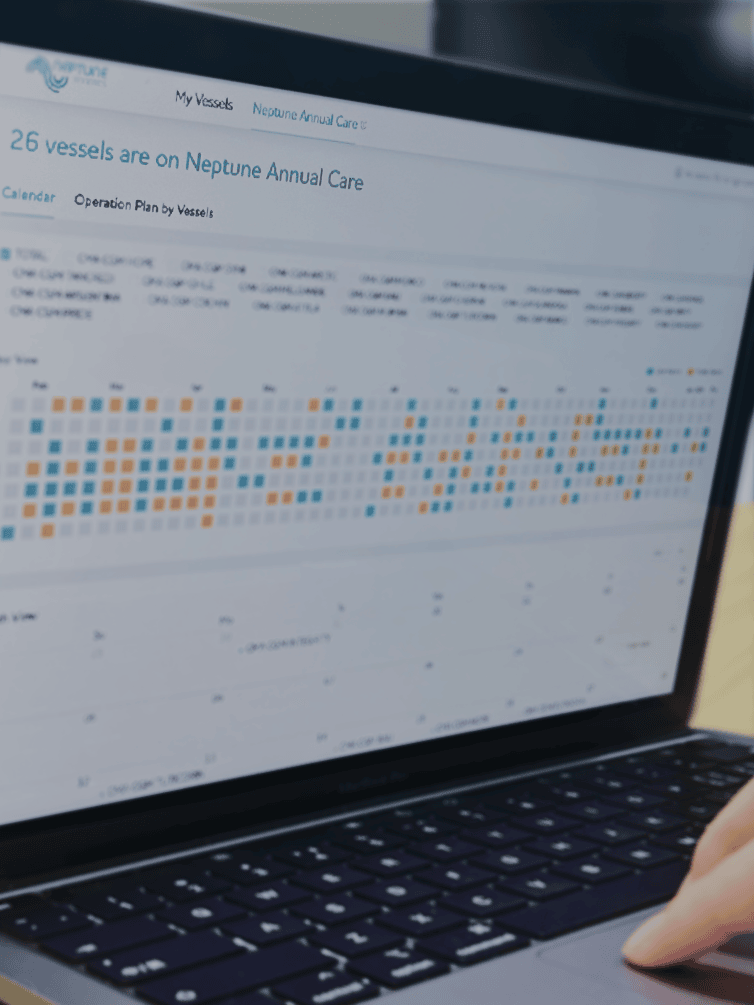
Operating across 61 ports in China and Singapore, Neptune’s underwater robots deliver consistent hull cleaning year-round — unaffected by low visibility, turbidity, cold water, or nighttime conditions. Its cavitation jet technology enhances cleaning performance while protecting modern hull coatings.
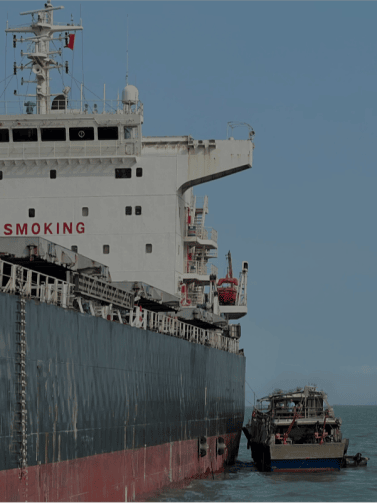
For vessels idling at anchorage or moving slowly between congested regions, Neptune enables early intervention — removing biofilm before it evolves into costly, fuel-intensive fouling. Shipowners gain a stable, predictable hull condition even as global port environments remain anything but predictable.
In today’s operating reality, this is no longer optional.
It is becoming a structural requirement for maintaining fleet efficiency, fuel performance, and emissions discipline.