Container freight rates have shown a clear rebound in recent weeks. According to the latest data released by the Shanghai Shipping Exchange, the Shanghai Containerized Freight Index (SCFI) rose by 7.8% last week to 1,506.46 points, reversing the slight decline seen earlier. At the same time, the World Container Index (WCI) calculated by Drewry has continued to move higher, indicating a synchronized rate increase across major trade lanes.
While parts of the market view this as a short-term correction or a seasonal rebound, from an operator’s perspective the implications go beyond revenue recovery. A rising rate environment tends to expose how well costs are controlled and how resilient operational efficiency really is. As the market shifts from prolonged downturn to renewed volatility, it is often long-overlooked operational details that determine margin elasticity.
Freight Rates Recover, Cost Sensitivity Returns
During periods of sustained low freight rates, carriers often rely on scale and pricing strategies to maintain utilization. As rates begin to recover, however, the focus shifts. Fuel consumption, vessel efficiency, and maintenance strategies move back to the center of financial decision-making.
Higher freight rates do not automatically ease cost pressure. On the contrary, as charterers place greater emphasis on schedule reliability, emissions performance, and energy efficiency, the true cost per voyage becomes increasingly transparent. Even small efficiency losses can be magnified against a higher revenue base and directly affect route-level profitability.
As a result, vessel efficiency management is gradually moving from a technical concern to a variable that senior management must track closely.
Hull Condition: The Silent Lever Behind Fuel and Margin
Among the many factors influencing vessel efficiency, hull condition is often underestimated despite its long-term impact. Industry research consistently shows that even light hull fouling can materially increase resistance and fuel consumption. When freight rates rise and vessel utilization intensifies, these hidden losses accumulate quickly into meaningful cost differentials.
At the same time, the operating rhythm of global shipping is changing. Longer port waiting times, frequent route adjustments, and extended periods of slow steaming or anchorage are becoming more common. These conditions quietly accelerate hull fouling. Even during winter months, early-stage biofilm continues to form on hull surfaces, creating a foundation for heavier fouling once biological activity increases.
When vessels return to higher-intensity operations during a market rebound, issues that built up during idle or low-speed periods often surface all at once.
Where Underwater Robotics Quietly Changes the Equation
It is against this backdrop that the role of underwater robotics is being reassessed. While such technologies do not influence freight rate cycles, they introduce a stabilizing factor into fleet operations.
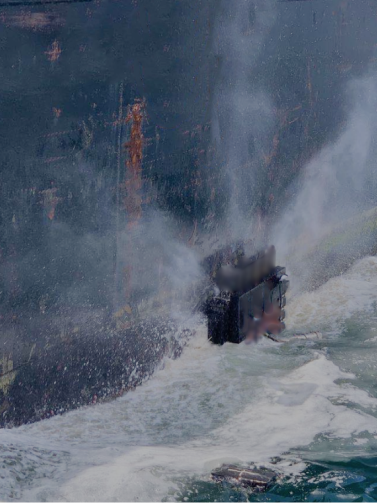
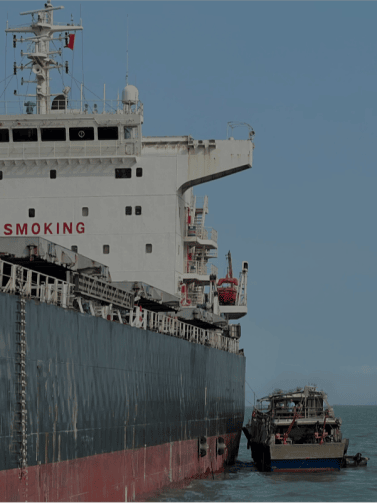
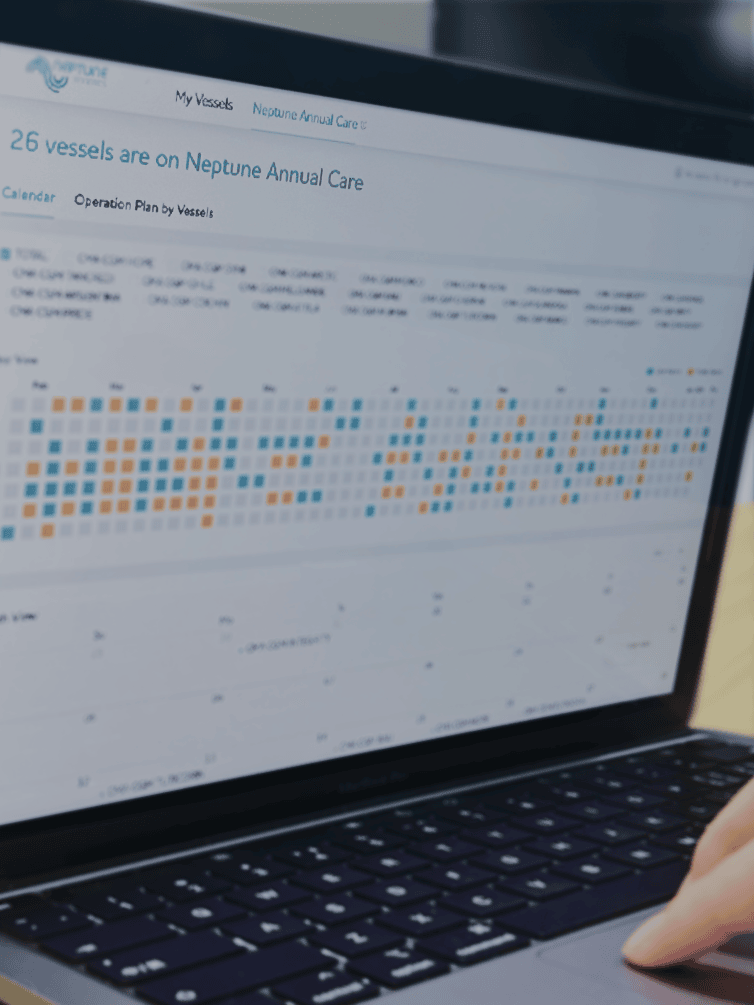
Neptune Robotics, for example, operates underwater cleaning robots on a routine basis across 61 ports in China and Singapore, independent of visibility, water quality, or time of day. This year-round, predictable availability allows vessels to address hull fouling during waiting periods, anchorage, or unplanned port calls, keeping contamination at an early and manageable stage.
Cavitation jet cleaning further enables effective fouling removal while preserving coating integrity, making higher-frequency, low-disruption maintenance feasible. This operations-aligned approach to hull care is helping shipowners maintain more consistent efficiency in an increasingly uncertain market environment.
In a cycle where freight rates fluctuate but cost sensitivity sharpens, such quiet, structural capabilities are becoming an important part of how performance is protected over time.