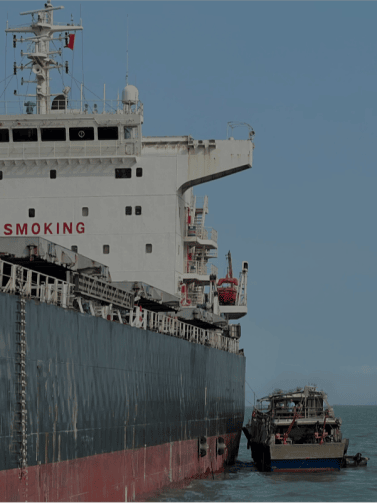
As summer sets in, hull fouling becomes increasingly prominent. Recently, many shipowners have reported that biofouling builds up much faster during the warmer months, directly affecting vessel speed, fuel consumption, and operating efficiency.
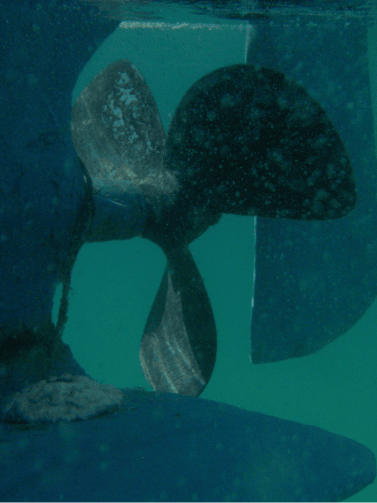
When water temperatures rise and marine life flourishes, barnacles, algae, and mussels quickly attach to the hull. These layers create a rough surface that increases drag, leading to significantly higher fuel use. Studies show that severe fouling can raise fuel consumption by 20%–40%, along with additional carbon emissions. Even with strict fuel management or speed optimization, the loss in efficiency is difficult to offset.
Traditional manual cleaning is not only time-consuming but also comes with safety risks. In conditions such as low visibility, strong currents, or nighttime operations, it is hard to achieve complete coverage, and some areas remain untreated. Frequent manual cleaning can also accelerate coating damage.
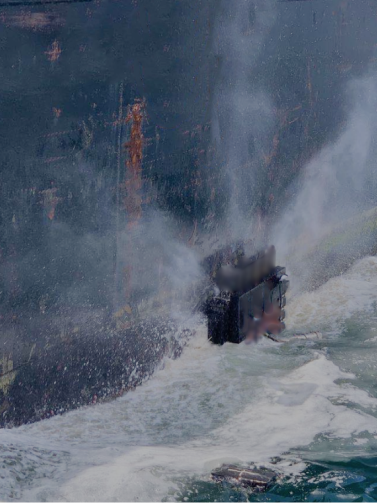
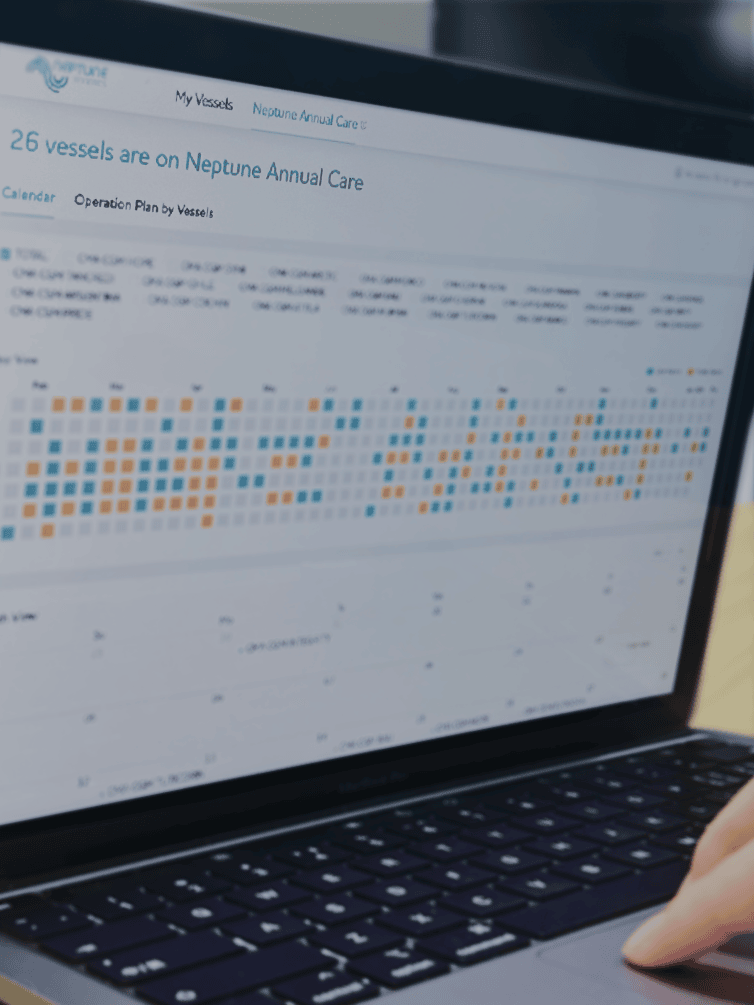
To address these challenges, more shipowners are turning to Neptune’s underwater robotic solution for hull inspection and cleaning. Our technology can perform full scans in complex environments, generate visual reports, and use coating-compatible cavitation jet cleaning to efficiently remove marine growth—helping reduce fuel waste and compliance risks.
Against the backdrop of rising costs and carbon reduction requirements, accelerated hull fouling in summer highlights the growing importance of intellig.