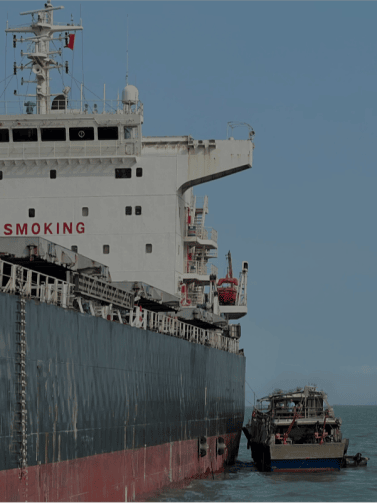
Ocean container shipping rates have dropped to their lowest point since January 2024. According to Reuters, the Drewry World Container Index (WCI) fell to USD 1,669 per 40-foot container as of October 3 — a 20-month low. The decline follows a slowdown in shipping demand after new U.S. tariffs were introduced earlier this year.
Freight Rates Slide to 20-Month Low
Freight rates have continued to decline steadily, reaching levels not seen since early 2024. As the WCI tracks spot rates on key global routes, this drop reflects a broader softening of market demand.
For shipowners, operators, and charterers, this translates directly into narrower profit margins. Revenue per voyage is under pressure, while operating costs remain substantial. In this environment, cost control and operational efficiency are critical to maintaining healthy balance sheets. Even small improvements in performance — whether in fuel savings, reduced maintenance, or better scheduling — can make a meaningful difference to voyage profitability.
Hull Condition as a Key Profit Lever
When freight rates are strong, some operational inefficiencies can be absorbed by higher revenues. But in a soft market, hull performance becomes a decisive factor.
A fouled hull increases frictional resistance, leading to 10–20% higher fuel consumption, depending on the extent of biofouling. The impact goes beyond fuel costs: it leads to higher CO₂ emissions, worsens the vessel’s CII rating, and may affect compliance with ETS and other environmental frameworks.
Conversely, a clean hull enables vessels to maintain service speed at lower power, cutting fuel burn and emissions simultaneously. It also minimizes unexpected speed loss during voyages, helping ships stay on schedule without costly slow steaming or off-hire time.
In a low-rate market, enhancing hull efficiency offers both financial savings and environmental gains — a rare combination that strengthens competitiveness and compliance.
Robotic Hull Cleaning as a Strategic Response
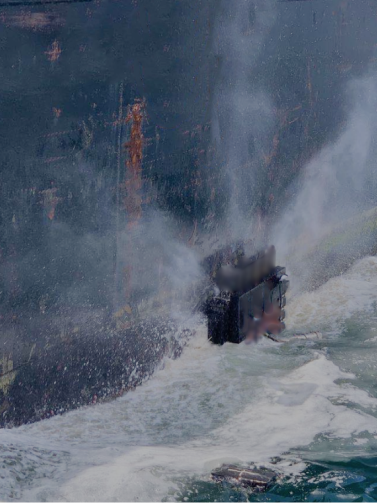
Maintaining optimal hull condition requires regular, effective cleaning — and this is where Neptune Robotics provides a smart solution. Our underwater robotic cleaning technology can operate in zero-visibility turbid waters, at night, and in rough sea states, ensuring consistent hull maintenance without waiting for ideal conditions.
Our robots use cavitation jet technology to remove marine growth effectively while protecting hull coatings, enabling more frequent cleaning cycles without damaging the paint. The result: longer coating life, lower maintenance costs, and stable hull performance throughout the year.
With the widest port coverage in China and expansion to Singapore underway, Neptune Robotics delivers reliable, scalable hull cleaning services for global fleets.
In today’s challenging freight market, operational excellence is a competitive edge. By adopting proactive, robotic hull cleaning strategies, shipowners can protect margins, reduce emissions, and stay ahead of both regulatory and commercial pressures.