Escalating Conflict Pushes Brent Crude Past $84/bbl
Energy markets are facing renewed turmoil as intensifying geopolitical conflict in the Middle East pushes benchmark crude prices higher. Following recent military strikes and a reinstated naval blockade of Iranian ports, market concerns are heavily focused on the Strait of Hormuz—the vital chokepoint handling roughly one-fifth of global oil transit. With vessel traffic through the strait slowing down and US commercial oil inventories under pressure, European benchmark Brent crude has climbed past $84.56/bbl, with analysts warning that persistent export delays could push prices above $110/bbl in Q4.
Compounding Bunker Costs & Biofouling Risks During Extended Idling
For fleet operators navigating these regional disruptions, soaring crude prices directly drive up bunker costs, sharply narrowing operating margins:
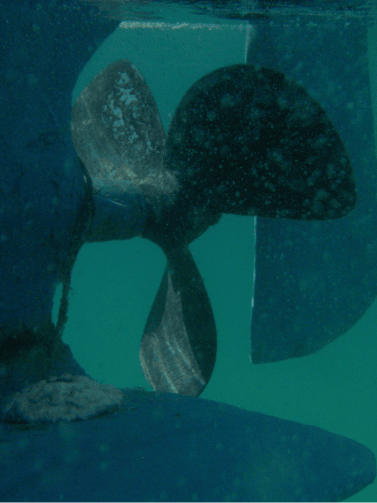
– The High Cost of Hydrodynamic Drag: As vessels wait out security concerns or alter routing around conflict zones, prolonged idling in warm waters rapidly accelerates biofouling growth (barnacles, algae, and slime). Even light marine growth can increase hydrodynamic drag, forcing ships to burn substantially more high-cost fuel to maintain standard transit speeds.
– The Penalty on CII Ratings & Paint Matrix: Higher fuel consumption during high-oil-price cycles directly exacerbates carbon emissions, threatening vessel performance under the IMO Carbon Intensity Indicator (CII) and EU ETS mandates. Moreover, resorting to traditional, abrasive manual scraping to clean hulls damages anti-fouling coatings, leading to even faster re-fouling and ongoing capital loss.
Restoring Hull Efficiency to Directly Offset Soaring Fuel Costs
In an environment of volatile bunker prices and strict environmental regulations, proactive, paint-safe biofouling management is the most immediate way to control fuel burn and secure fleet profitability:
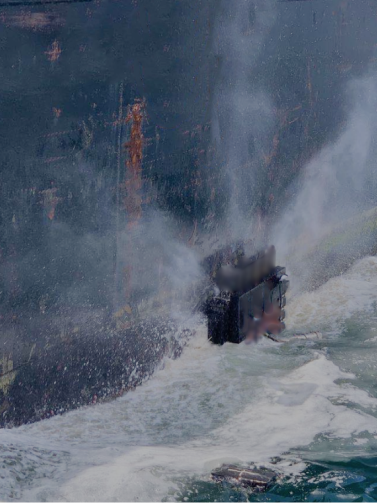
– Direct Fuel & Cost Savings: Neptune’s autonomous robotic platforms utilize advanced cavitation jet technology to explode barnacles and biofouling cleanly via microscopic bubble implosions. By restoring a smooth hull profile without paint abrasion, Neptune helps vessels reduce hydrodynamic drag—saving up to 36% in fuel consumption and directly hedging against high crude prices.
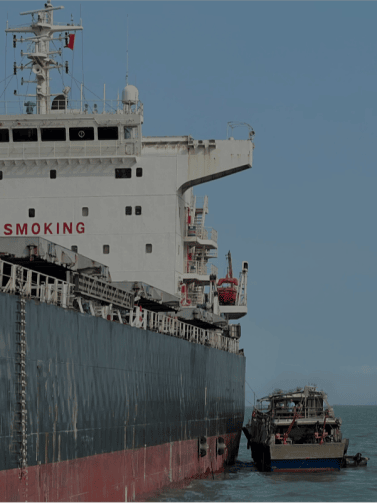
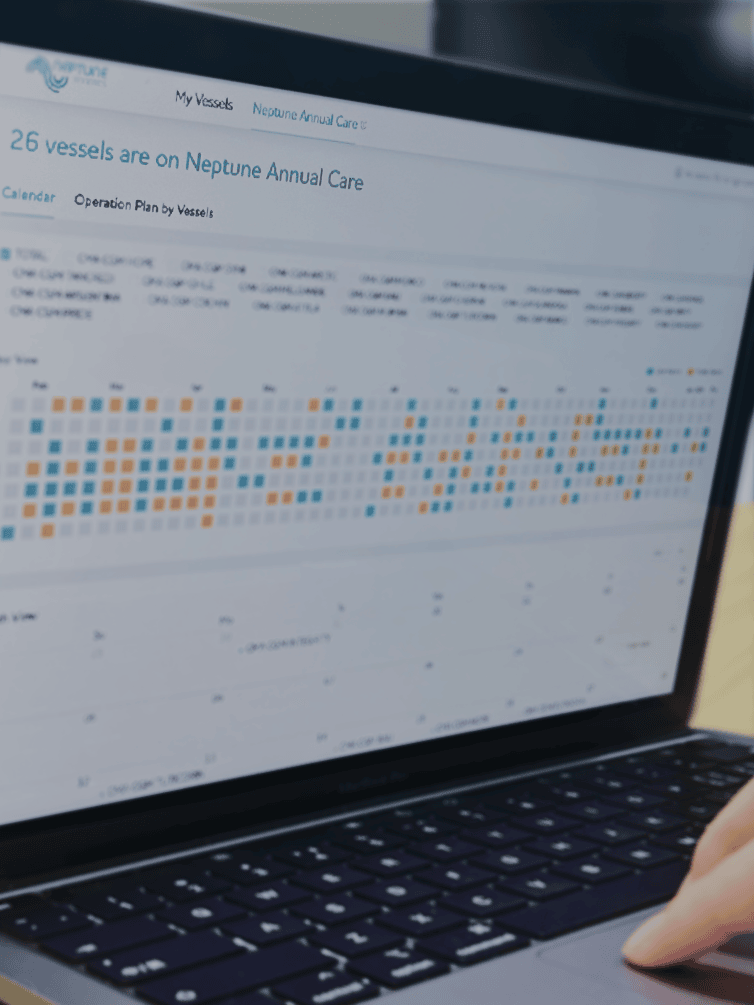
– Seamless 24/7 Operations with Zero Downtime: Operating around the clock in key hub ports across China and Singapore, Neptune’s robots perform full above- and below-waterline hull cleaning simultaneously during cargo loading and discharging. Fleet owners eliminate port delays, protect their anti-fouling paint, and optimize fuel efficiency to keep their vessels competitive in volatile market conditions.