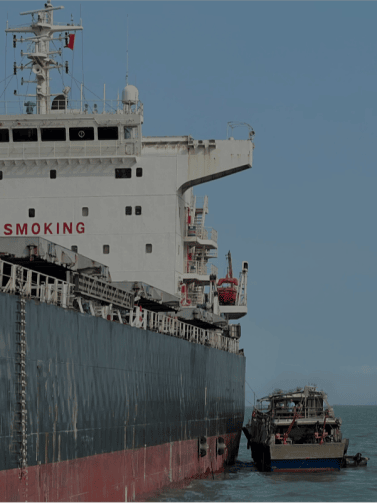
It’s a common assumption: “Winter is too cold for fouling — we can wait.” But early-stage biofilm doesn’t stop forming in cold water. It builds quietly whenever a vessel slows down or stays at anchor — something that happens even more often in winter due to weather and congestion.
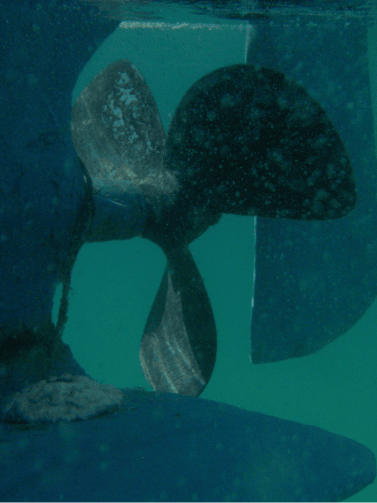
By spring, this thin winter film can rapidly turn into heavy fouling, raising drag, fuel burn, and emissions.
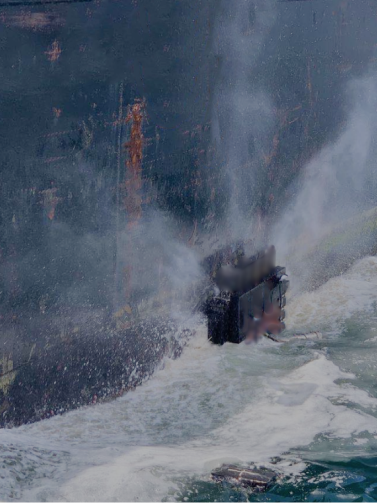
Neptune’s robots operate reliably year-round — even in sub-zero temperatures and partially frozen water — allowing you to remove early fouling before it becomes a spring-time surge.