The Physics Behind Coating-Safe Cavitation

The Physics Behind Coating-Safe Cavitation

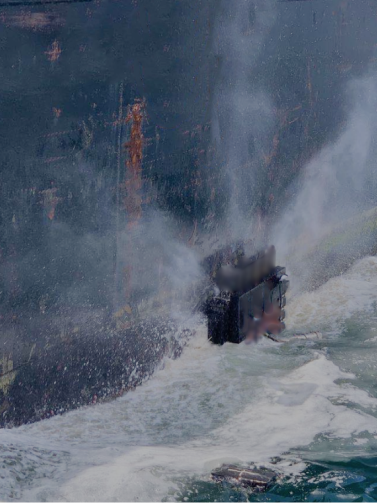
The safety of cavitation cleaning lies in precise pressure thresholds. While traditional high-pressure washing uses direct kinetic impact (150-300 bar) that mechanically shears the paint, cavitation operates via micro-jet energy from collapsing vapor bubbles. This implosion generates localized pressure that easily exceeds the tensile strength of barnacle cement (>10 MPa), yet remains far below the shear threshold of cured epoxy anti-fouling coatings. By tuning the nozzle standoff distance, the acoustic field targets only the biofouling, shearing the attachment layer without micro-abrasion to the underlying matrix.

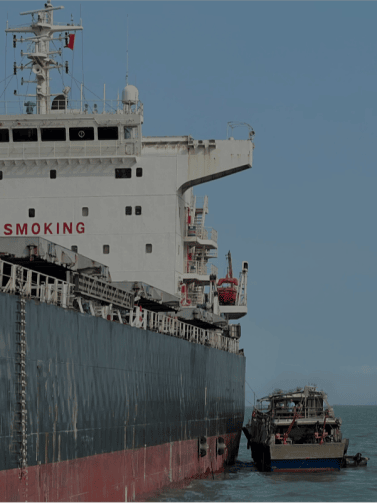
Robotic Hull Inspection | Vessel Inspection

World-class Robotic Services

Neptune offers boat cleaning services, including flat bottom and vertical sides cleaning, using trusted robotic technology for comprehensive boat maintenance.

Robotic Hull Cleaning

ROV hull cleaning with Cutting-edge cavitational technology.

Neptune offers boat cleaning services, including flat bottom and vertical sides cleaning, using trusted robotic technology for comprehensive boat maintenance.

Robotic Hull Inspection

Comprehensive vessel assessments with digital biofouling and coating representations.

Hull Underwater Cleaning| Ship Underwater Cleaning

Australia & New Zealand

Compliant with AMSA and MPI. Efficient, eco-friendly solutions for your vessel’s needs.

Neptune provide specialized vessel, hull, and ship underwater cleaning services for vessels to enter Australia and New Zealand successfully.

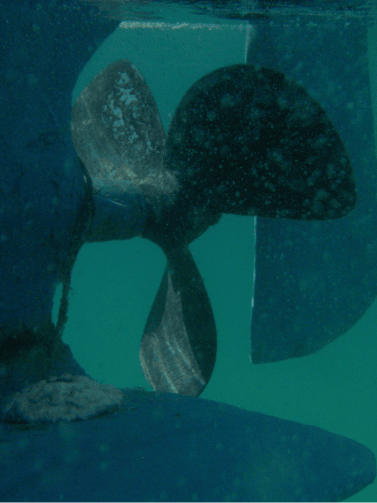
Propeller & Niche Areas

Propeller polishing and niche areas cleaning at the MPI standard.

Neptune Robotics offers a top-notch robotic ship clean and hull cleaning service, including ROV ship cleaning. Ensure the performance of your vessel.

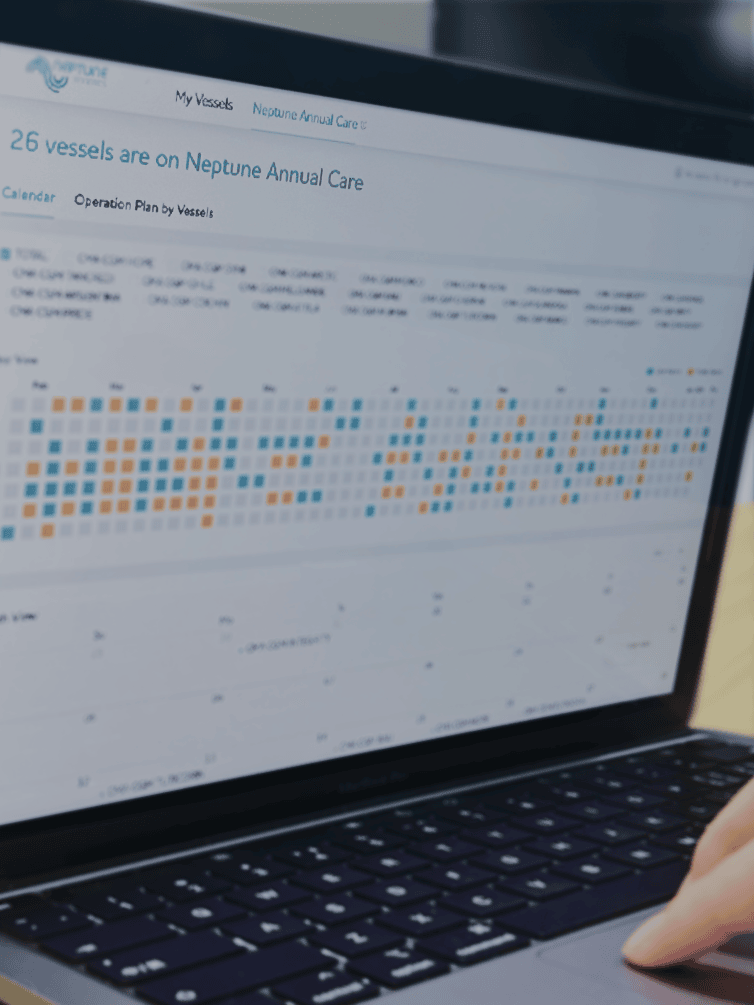
Neptune Annual Care

Our proactive take of your annual hull maintenance, maximising fuel and carbon savings.

Contact Us

In terms of vessel types, what is the primary focus area for your company?
Which of the following best describes your connection to the vessel?
How many vessels are presently under your company's ownership, charter, or management?